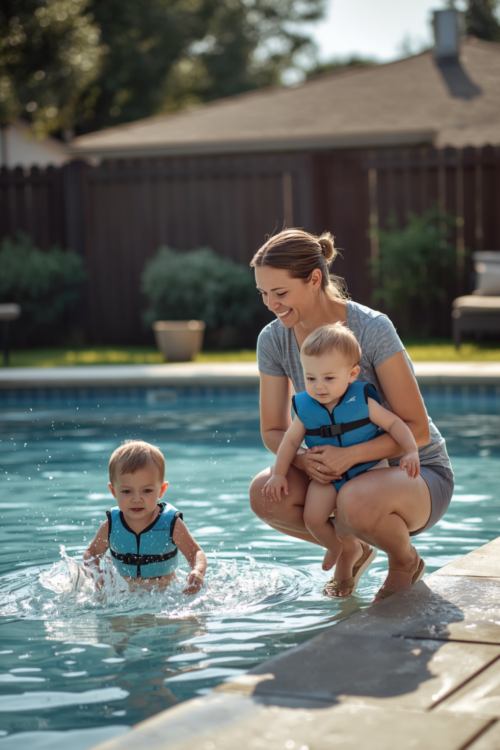
What Toddlers Should Actually Wear in the Water (Amazon Finds)
I used to think swimming with toddlers would look like those perfect Pinterest moments—calm water, happy kids, me sipping something iced while they splashed safely right next to me.
That is… not reality in my house.
I have a 3-year-old and a 20-month-old, and pool days are equal parts fun and chaos. One is constantly testing boundaries like he’s training for the toddler Olympics, and the other is basically a tiny speedster who has zero fear and zero hesitation when it comes to water.
So when I started trying to figure out what toddlers should actually wear in the water, I realized quickly that cute floaties and random pool toys weren’t going to cut it. I needed real safety. Real function. And ideally, something I could just order off Amazon at 11 p.m. after realizing summer was coming faster than I was emotionally prepared for.
This is what I actually use now—and what I wish I knew sooner.
This post may contain affiliate links. As an Amazon Associate, I earn from qualifying purchases — at no extra cost to you.
First: I stopped relying on “cute” swim gear
I’ll be honest—I started out totally influenced by aesthetics.
I bought the cute arm floaties. I tried the little swim rings. I even had one of those inflatable suits that looked adorable in photos but made me more nervous every time my toddler moved too fast.
What I realized pretty quickly is this: most “cute” toddler swim gear is designed for photos, not real-life safety or learning.
With a 3-year-old who thinks he can swim independently and a 20-month-old who thinks he can teleport into the pool at any moment, I needed gear that actually helped me stay calm, not more anxious.
What I actually put on my 3-year-old
My 3-year-old is at that stage where he wants independence, but doesn’t yet understand his limits. So I focus on gear that gives him support without making him feel “babyish.”
What works for us:
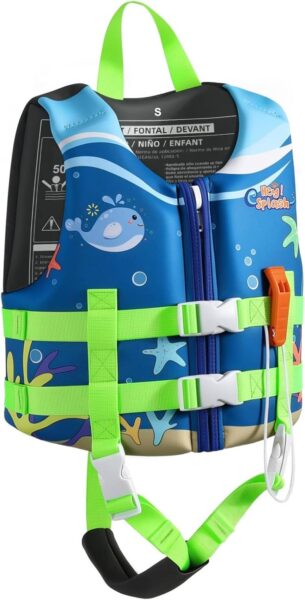
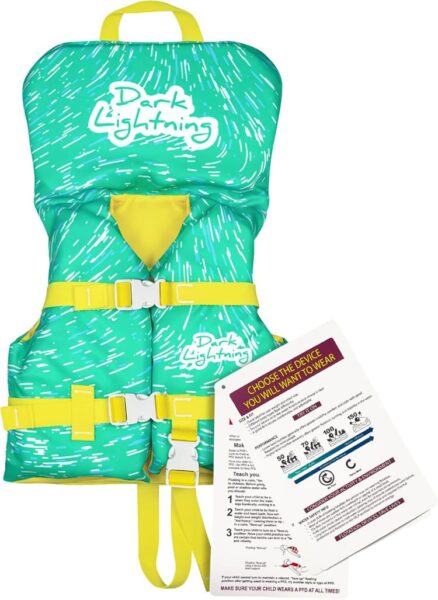
1. A well-fitted swim vest (this is non-negotiable)
I use a swim vest that keeps him buoyant but still allows him to move his arms and legs naturally. The biggest difference I noticed is that he can practice real swimming motions instead of just floating like a bobber.
I like that I can still stay close, but I’m not white-knuckling him the entire time.
Amazon has a lot of options, but I always look for:
- Snug fit (no riding up)
- Adjustable straps
- Chest support, not just arm float support
This alone changed pool days for me.
We use a snug toddler swim vest with adjustable straps and a crotch strap (this style is a game changer for us). This one here is a blue ocean style, but there are so many adorable styles available.
2. Swim shorts or suit that stays put (and a color I can actually SEE)
I used to think swim shorts were just about comfort and fit, but now I think about them a little differently—especially with my 3-year-old.
I make sure whatever he wears stays secure when it’s wet, doesn’t sag, and doesn’t get in his way when he’s moving around constantly. But I’ve also added something else to my checklist that I didn’t really think about before:
visibility.
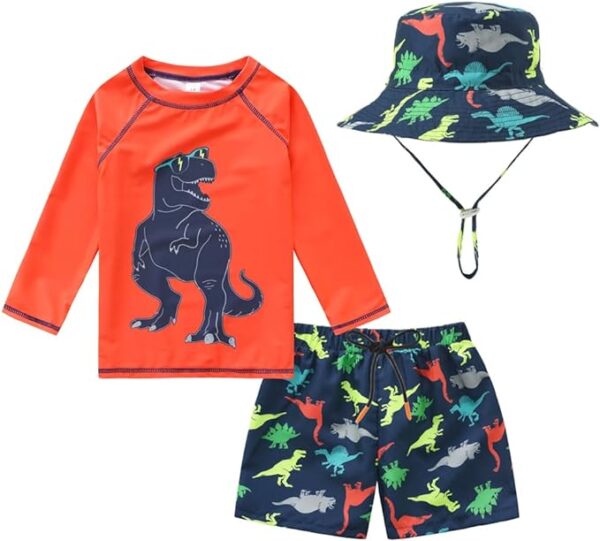
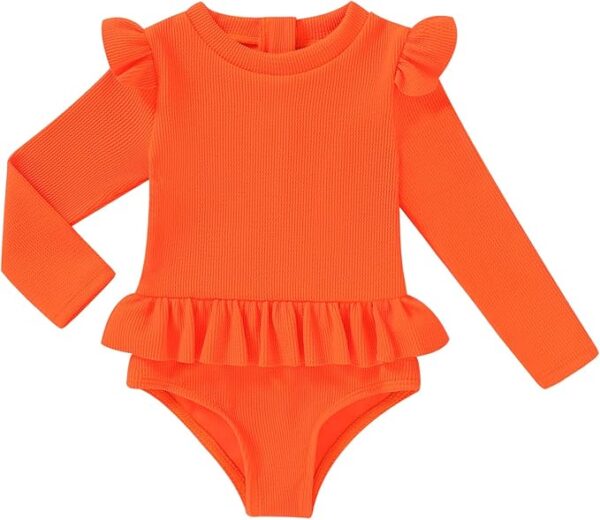
I always choose a safe, high-visibility color for his swim shorts or swimsuit—something bright and easy to spot in the water. Think neon colors like yellow, orange, or lime green.
It might seem like a small detail, but when you’re watching a toddler who never stops moving, being able to spot them quickly in a busy pool or even just across a splash pad makes a big difference in how confident I feel.
I personally avoid darker colors like navy or black for this reason. They can blend into the water or pool shadows more than I’m comfortable with, especially when I’m also watching my younger toddler at the same time.
Now I look for:
- Bright, high-contrast colors
- Lightweight material that doesn’t drag when wet
- A fit that stays in place during constant movement
It’s one of those small parenting shifts I didn’t expect to matter so much—but now I notice it every single time we’re in the water. When I can spot him instantly, I feel calmer, and that alone makes pool days go so much smoother.
What I actually put on my 20-month-old
This age is a different kind of stressful. My toddler is small, fast, and extremely confident—which is not always a safe combination around water.
So I keep things even more structured.
1. A secure float vest with crotch strap
This is huge for me. At this age, I don’t want anything shifting around or slipping up.
I specifically look for a vest that:
- Has a crotch strap (prevents riding up)
- Fits snugly around the chest
- Has head support if needed
I don’t rely on him “staying still” because… he won’t.
For my younger toddler, this is the style I always look for because the extra security helps everything stay in place, even with constant climbing, splashing, and trying to escape my arms.
2. No arm floaties for this age
I know arm floaties are popular, but I personally don’t use them for my younger toddler. I found they can give a false sense of security, and they don’t always keep the body positioned safely in the water.
I want full-body support, not partial assistance.
The biggest shift for me: I stopped chasing independence too early
This was honestly the mindset change that helped me the most.
With my first, I felt pressure to “teach him to swim early” and give him independence in the water as soon as possible. But with two kids at two very different stages, I realized something important:
Safety first. Skills second. Confidence comes from both.
Now, instead of trying to make my toddler “independent” in the pool, I focus on:
- Controlled confidence
- Safe exploration
- Me staying physically close no matter what gear he’s wearing
The gear helps—but it doesn’t replace supervision. That’s something I remind myself constantly, especially when I’m juggling both kids at once.
What I always bring to the pool now (non-negotiables)
Over time, I’ve basically built a “don’t-leave-the-house-without-it” pool list:
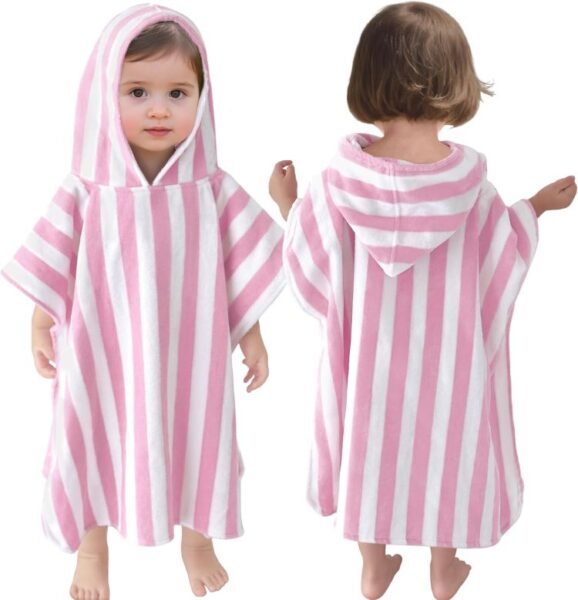
- Hooded toddler towels
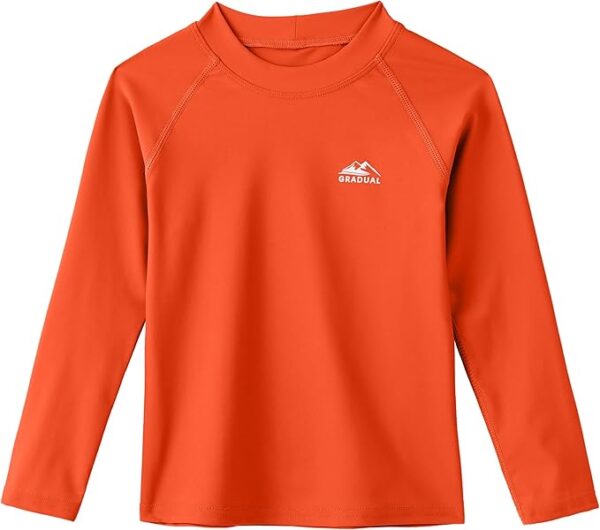
- Rash guard swim shirts for toddlers
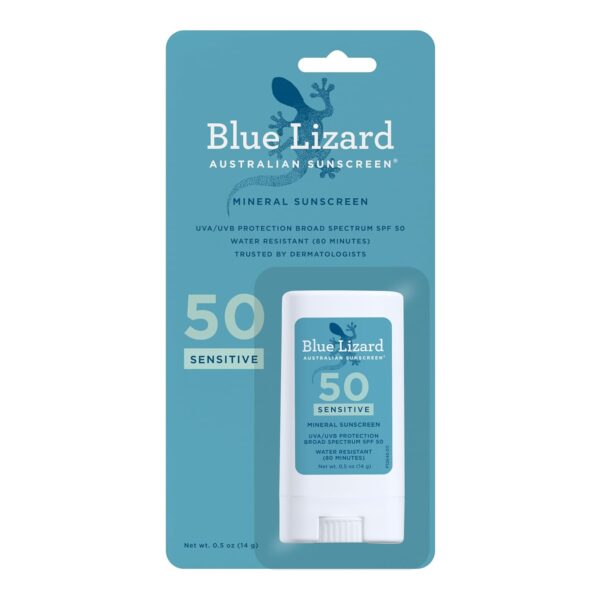
- Waterproof sunscreen stick for kids
- Waterproof dry bag for moms
- Toddler swim goggles (optional but popular)
It’s not glamorous, but it makes the whole experience so much smoother.
What I’ve stopped buying (and don’t recommend anymore)
This might save someone else the trial-and-error I went through:
- Inflatable float rings for toddlers who can’t swim yet
- Loose arm floaties as the only safety device
- Oversized float toys that look fun but don’t actually help safety
- Anything that shifts too easily in the water
I’d rather spend a little more on something secure than spend the whole pool day feeling anxious and second-guessing every splash.
The truth about toddler swim gear
If I’m being really honest, there is no “perfect” Amazon product that makes pool time effortless.
But there are products that make it feel safer, calmer, and more manageable—and that’s what I care about now.
When I have my 3-year-old splashing confidently next to me in his vest, and my 20-month-old safely supported and giggling in my arms, I finally feel like I can breathe a little.
Not relax completely (because… toddlers), but breathe.
And that’s enough.
Final thoughts
If you’re in the same stage I am—chasing two toddlers around water, constantly adjusting gear, and wondering if you’re doing it right—I just want to say: you’re not alone.
I’ve learned that the best swim gear isn’t the cutest or the most viral on Amazon.
It’s the kind that lets me stay close, stay calm, and actually enjoy the moment with my kids.
And honestly? That’s what I thought motherhood pool days would never feel like—but now, sometimes, they actually do.